From Reactive to Resilient: How Reliability Engineering Transforms Asset Management
March 10, 2026 | 2 min read
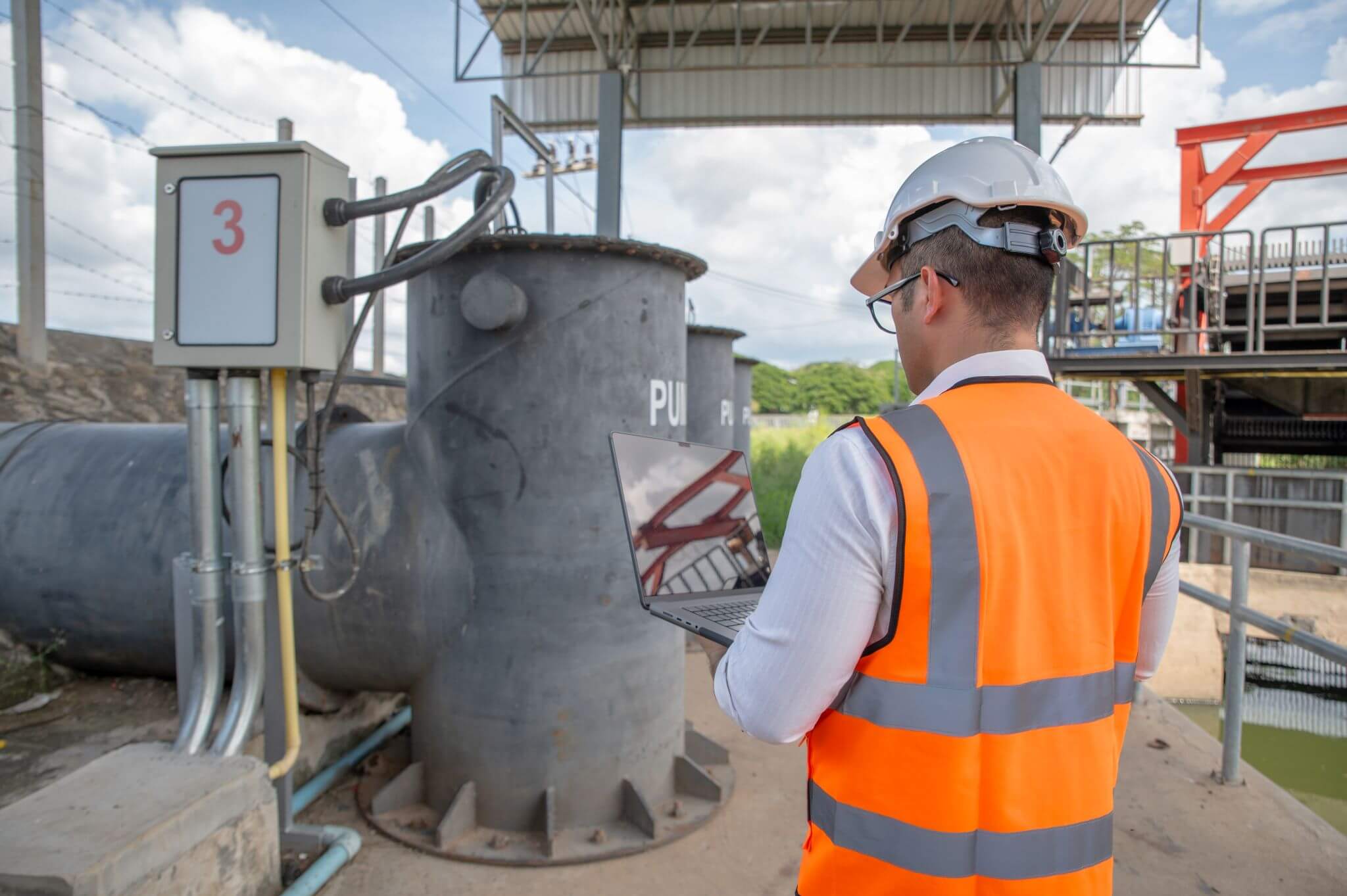
In today’s complex operational landscape, utility owners, public sector leaders and industrial facility managers face mounting asset management challenges: These include aging infrastructure, constrained budgets, increasing regulations and retirement-driven knowledge loss.
Without a structured focus on reliability, many organizations fall into a cycle of emergency repairs, unplanned outages and short-term fixes. This reactive approach to asset management increases unplanned downtime, long-term costs and operational risk.
The solution lies in a fundamental shift in the approach. Asset management grounded in reliability engineering moves organizations from reactive maintenance to proactive performance optimization.
What Is Reliability Engineering?
At its core, reliability engineering verifies that critical assets perform their intended function for a predictable duration under real operating conditions. It is not about fixing things faster; it is about preventing issues from occurring in the first place.
Reliability engineering strengthens asset management. While asset management focuses on what assets matter to your organization, reliability engineering defines how to keep them performing throughout their entire lifecycle. Our approach to reliability engineering leverages asset data, failure history and risk analysis to identify where issues are most likely to occur, helping to focus resources on high impact areas. This approach includes:
- Risk Management: We quantify the likelihood and consequence of asset failure across each component of your system, so you understand your true risk exposure. This enables leadership to prioritize mitigation strategies based on measurable risk rather than assumptions.
- Lifecycle Planning: We use failure data to refine repair and replacement decisions, optimize your budget and prevent outages. This evidence-based approach optimizes the timing of asset replacement and reduces premature capital expenditures.
- Capital Planning: We identify high-risk assets that justify investment, providing data-driven support for your capital requests. Our analysis strengthens funding applications, investment justifications and regulatory responses with clear, defensible performance metrics.
- O&M Optimization: We align maintenance strategies with asset criticality, focusing resources where operational impact is greatest. The result is a balanced maintenance program that improves reliability while controlling costs.
Stanley Consultants: A Trusted Partner for Reliability Engineering
Whether you are managing municipal water treatment plants or high-output industrial facilities, the principles remain the same. You need reliable assets, resilient systems and strategic investment guidance.
Our reliability engineering framework establishes long-term reliability and includes:
- Baseline Assessments: We review your asset inventory and establish baseline reliability metrics.
- Risk & Failure Analyses: We perform root cause analysis on key failures and prioritize improvement recommendations.
- Improvement Roadmaps: We define optimized maintenance strategies and deliver a multi-year implementation plan with measurable KPIs, governance structure and performance tracking tools.
Our reliability engineering services extend asset life, optimize lifecycle costs and reduce regulatory risk exposure. This improves service continuity, strategic decision making and public confidence with transparent, defensible data.
To begin a reliability engineering assessment and build the resilience you need for tomorrow, contact us today.